Thailand Solo Travel 2025: Budget, Safety & 10–14 Day Itinerary
Thinking about solo travelling to Thailand? You’re in the right place. Thailand is one of the easiest countries for first-time solo adventurers, with friendly locals, clear backpacker routes, and excellent value. In this guide we’ll cover safety, an actionable Thailand solo travel itinerary, costs, transport, and when to go. Whether you’re planning solo travel in Thailand for ten days or two weeks, you’ll find realistic advice to help you spend less and experience more—without missing the good stuff like street food, temples, beaches, and jungle sunsets.
Is Thailand Safe for Solo Female Travellers?
Short answer: generally yes, with common-sense precautions. Violent crime against tourists is rare, but petty theft and drink spiking can happen in nightlife areas. Stick to reputable bars, watch your drink, and use licensed taxis or ride-hailing at night. Dress modestly in temples, learn a few Thai phrases, and trust your gut. If a situation feels off—leave. Book well-reviewed hostels or guesthouses with 24/7 reception, share your live location with a friend, and use ATMs inside banks or malls rather than street machines.
Safety also means avoiding classic scams. If a stranger tells you a temple is “closed,” smile and keep walking—check Google Maps or the official gate instead. Always confirm meter use before riding taxis, or agree on a price up front for tuk-tuks. Keep valuables in a cross-body bag and carry a photocopy of your passport. On islands, don’t leave bags unattended on beaches while you swim. For motorbike rentals, inspect and photograph existing scratches, wear a helmet, and never hand over your passport as collateral.
Thailand Solo Travel Itinerary (10–14 Days)
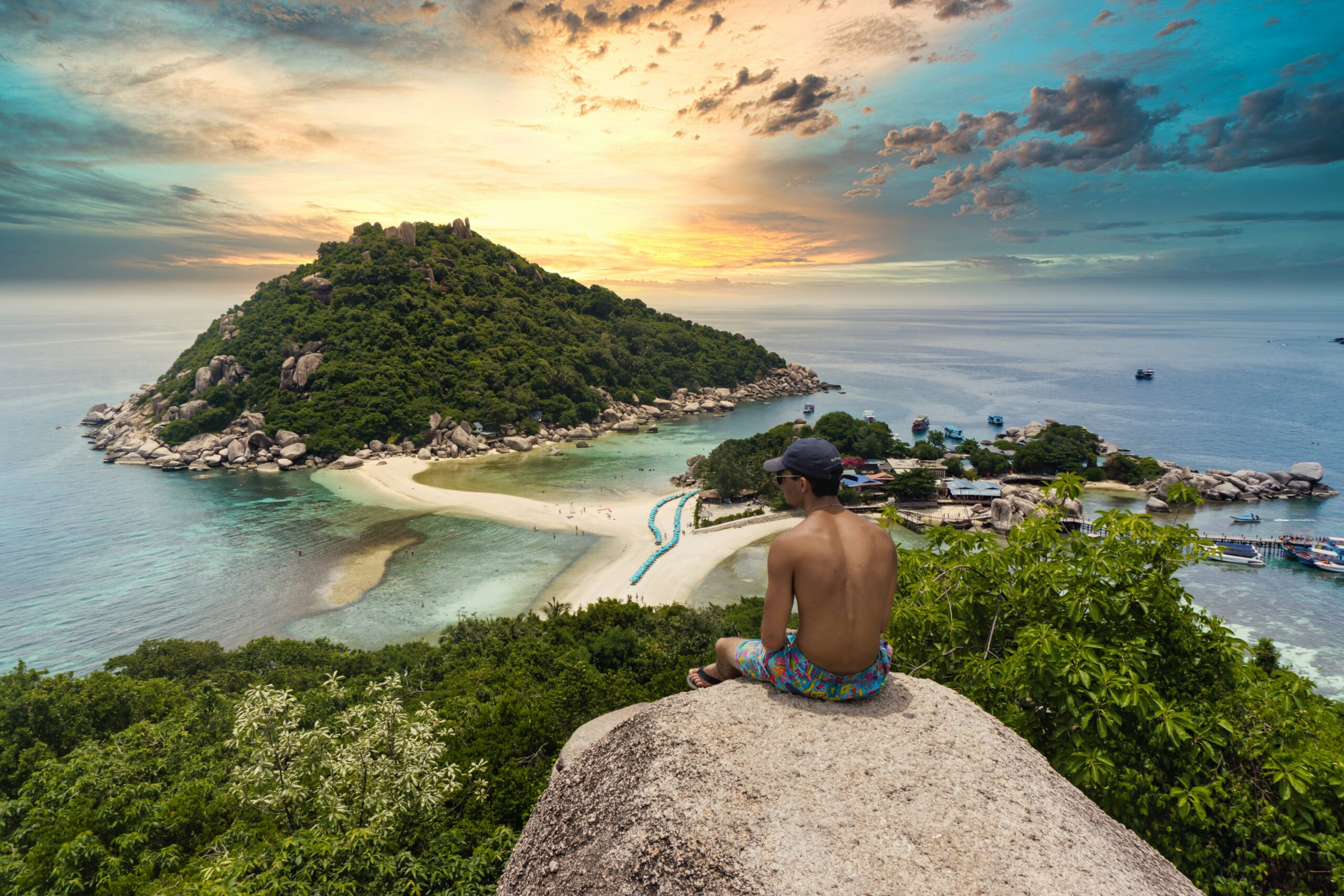
Here’s a flexible ten-day route for a first trip. Start with three nights in Bangkok for temples, canals, and markets, then a day trip to Ayutthaya by train for ancient ruins. Fly or take an overnight train to Chiang Mai for three nights of cooking classes, night markets, and a responsible elephant sanctuary. Add a day trip to Pai or Chiang Rai. Finish with three nights on the islands—Koh Samui, Koh Phangan, or Koh Tao in the Gulf; or Phuket, Krabi, or Koh Lanta in the Andaman—depending on weather and flight deals.
Have fourteen days? Slow it down. Spend an extra day or two in Bangkok exploring lesser-known neighborhoods and eating your way through Chinatown. In the north, add Mae Hong Son’s mountain scenery or more time in Chiang Mai’s cafés and temples. Down south, split nights between a livelier island and a chilled one. If you’re diving, tack on Koh Tao or the Similans in season. Always check ferry timetables and aim for morning crossings to avoid delays.

Budget: What Does Solo Travel to Thailand Cost?
Thailand is budget-travel heaven, but costs vary by destination and pace. Here’s a realistic solo snapshot in Thai baht (THB) so exchange rates don’t trip you up. Prices are per person, typical for backpacker to mid-range comfort. You can go cheaper by choosing dorms, or pricier with private rooms and tours. Track your spend in a simple app and keep a small emergency fund. Cash is still common at markets, though cards and QR payments are spreading fast in cities and larger shops.
- Hostel dorm bed: 200–450 THB per night
- Simple private room: 700–1,200 THB per night
- Street-food meals: 50–120 THB each
- Café latte or fruit shake: 60–120 THB
- Domestic flight promos: 900–1,800 THB one way
- Intercity bus or 2nd-class train: 250–800 THB
- Island ferry: 300–600 THB per leg
- Massages: 250–500 THB per hour
To stretch your baht, mix street stalls with food courts, ride public transport in Bangkok, and travel overland for short hops. ATMs charge withdrawal fees; minimize those by taking out larger amounts and using a low-fee card. Consider an eSIM to avoid airport kiosks, and buy water in larger bottles to cut costs and plastic. If you love activities, prioritize a small number of big-ticket experiences—like a cooking class or scuba course—over many forgettable ones. For flight tactics, see our guide to finding cheap flights.
Getting Around on a Budget in Thailand
For cities, Bangkok’s BTS and MRT are fast and intuitive; pair them with river boats for scenic shortcuts. In Chiang Mai and smaller towns, songthaews (shared red trucks) are cheap; agree on the fare before hopping in, or use ride-hailing where available. Long distances are easy by bus, train, or low-cost airlines. Overnight trains give you a bed and save a hotel night; book lower berths if you want a little more comfort. On islands, rent scooters only if you’re experienced; otherwise rely on songthaews, taxis, and your feet.
When to Go: Seasons, Crowds, and Festivals (2025)
Thailand’s cool-dry season runs roughly November to February, bringing the most comfortable temperatures and peak crowds. March to May is hot season—great for beaches if you pace yourself, hydrate, and plan indoor breaks midday. The rainy season varies by coast: May to October affects much of the country, but the Gulf and Andaman coasts peak at different times. Rain rarely ruins a whole day; it’s often a dramatic afternoon burst. Big events include Songkran water festival in April and Loy Krathong/Yi Peng lantern festivals in November—book early.

Where to Stay & Meet People
Choose social hostels with privacy pods if you want a balance of community and rest. Many have coworking areas and organized activities, which make meeting people easy. In cities, look near metro lines for fast sightseeing; in the north, stay inside the Old City or Nimmanhaemin; on islands, pick a quieter beach within walking distance of the action. Join hostel cooking nights, walking tours, or café hops. For gear and clothing that actually fits carry-on life, bookmark our Southeast Asia packing list for budget travelers.
FAQs – Thailand Solo Travel
Is Thailand safe for solo female travellers at night?
Most neighborhoods are safe with normal precautions. Stick to lit, busy streets, use ride-hailing from door to door, and keep valuables zipped away. If you’re going out, go with hostel friends, pace drinks, and share your location. Staff in hotels and cafés are helpful—don’t hesitate to ask for advice on trusted taxis or nearby areas to avoid.
How much should I budget per day in Thailand?
Backpackers often manage on 1,000–1,500 THB daily by choosing dorms, street food, and buses. Mid-range solo travelers typically spend 1,800–3,000 THB for private rooms, cafés, and a few paid activities. Island days tend to cost more than northern cities; plan buffer cash for ferries, national park fees, and the occasional splurge meal.
Can I do Thailand solo travel without booking everything ahead?
Yes—book the first few nights and any tight connections, then stay flexible. Trains, buses, and domestic flights run frequently, though peak season and festival weeks sell out. Islands are easier if you reserve ferries and first-night stays, especially when arriving late. Flexibility lets you follow good weather and new friends.
What should I pack for solo travel in Thailand?
Go light: breathable shirts, a sarong, quick-dry shorts, a modest temple outfit, and sandals you can walk in. Add a lightweight rain jacket, refillable bottle, and universal adapter. A small first-aid kit and sunscreen will save time and money once you land. If you’re working remotely, a compact laptop stand is a back-saver in cafés.
Do I need travel insurance for Thailand?
We strongly recommend it. Hospital care is good in cities, but costs can add up quickly without coverage. Choose a policy that includes medical, theft, and trip interruption, and keep digital copies of your documents in secure cloud storage. For adventure activities like diving or trekking, make sure they’re explicitly covered.