Indonesia Solo Travel 2026: Budget Guide, Safety Tips & a 14-Day Backpacking Itinerary
When someone starts planning Indonesia solo travel 2026, the excitement is usually followed by hesitation. Is it affordable across multiple islands? Is it actually safe to travel alone? And how complicated does it get once you leave Bali?
Those questions are reasonable. Indonesia is vast, diverse, and not always straightforward on logistics. But that’s also what makes it rewarding. With the right expectations — and a clear understanding of costs, safety, and transport realities — solo travel here is not only manageable, it’s one of the most balanced budget destinations in Southeast Asia.
Let’s walk through it properly.
Indonesia Solo Travel 2026: What It Really Costs
Indonesia has quietly become one of Asia’s best-value destinations. Inflation has pushed prices up eThe biggest misconception about Indonesia solo travel 2026 is that it’s automatically “cheap.” It can be — but it depends heavily on where you go and how you move between islands.
Bali can feel almost European in pricing if you stay in trend-heavy areas like Canggu. Meanwhile, Yogyakarta or inland Lombok can feel refreshingly affordable. The difference is subtle but important: Indonesia rewards flexibility more than strict budgeting.
Here’s what I’ve actually seen on recent trips:
- Hostel dorm in Ubud: $8–15 per night
- Private guesthouse room in Yogyakarta: $14–25
- Mid-range hotel in Bali: $35–70
- Local meal (warung): $2–4
- Western-style café meal: $6–12
- Scooter rental (daily): $4–6
A realistic backpacker budget sits around $30–45 per day outside peak season. Add island hopping, diving trips, or Komodo boat tours, and that number shifts closer to $55–70 on activity-heavy days.
For example, one fairly typical “active day” in Lombok might look like this:
- Guesthouse: $18
- Scooter rental: $5
- Meals: $10
- Snorkeling trip: $25
Total: $58
That’s still reasonable — but it’s not the ultra-$20 fantasy often advertised online. Planning with realistic numbers makes the trip smoother and avoids mid-trip stress.
Flights between islands can add up quickly, so I usually compare domestic routes in advance using platforms like Skyscanner to catch price fluctuations. Booking early for routes like Bali–Labuan Bajo often saves more than people expect.

Is Indonesia Safe for Solo Travellers in 2026?
Safety is one of the most common concerns around Indonesia solo travel in 2026, especially for first-time solo travellers. The short answer: yes, generally – with normal travel awareness.
Violent crime against travellers is rare in major tourist regions like Bali, Yogyakarta, and Lombok. What you’re more likely to encounter are minor annoyances: inflated taxi pricing, poorly maintained sidewalks, or chaotic scooter traffic.
Scooter accidents are the most common travel issue here. Roads can be uneven, lighting limited, and traffic unpredictable. If you’re not confident riding, it’s worth paying slightly more for vetted drivers arranged through your guesthouse. Saving $3 isn’t worth a hospital visit.
Cultural awareness matters as well. Indonesia is predominantly Muslim outside Bali, and dressing modestly in smaller towns earns quiet respect. Removing shoes before entering homes and certain shops is expected. These aren’t strict rules, they’re social cues, but following them makes solo travel smoother.
One thing that often surprises people: locals are typically helpful, especially if you attempt a few basic Bahasa phrases. Even a simple “terima kasih” shifts interactions noticeably.
Where to Go for Indonesia Solo Travel in 2026
Indonesia isn’t one destination; it’s thousands of islands. For a balanced first solo trip, I recommend focusing on four regions that combine accessibility with variety.
Bali
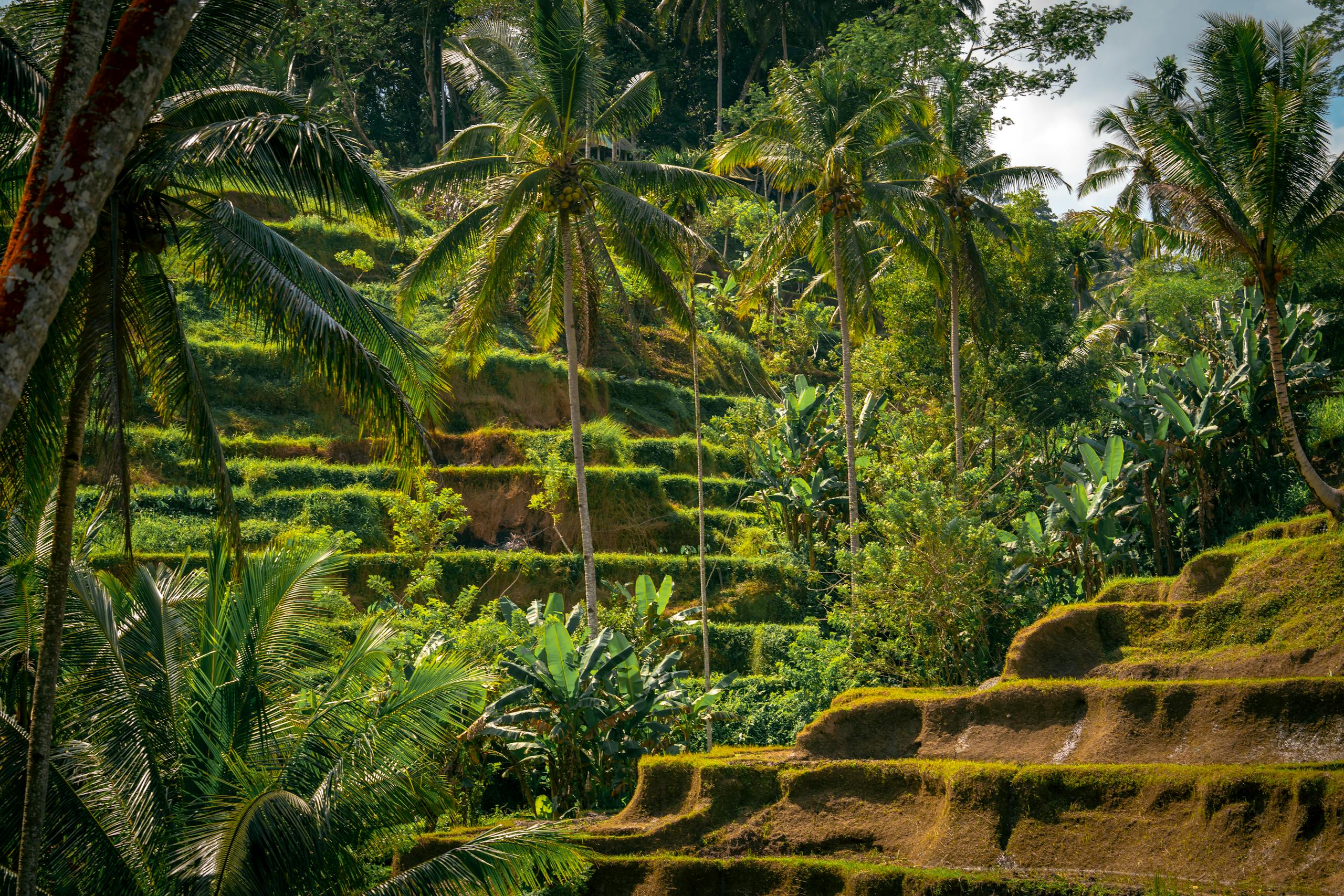
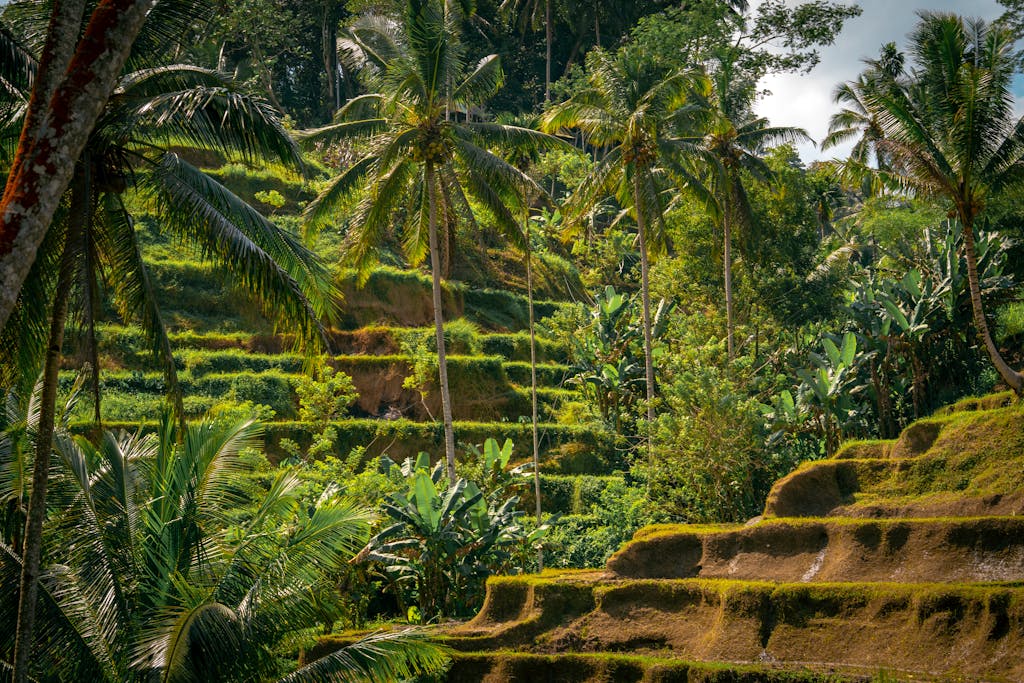
Bali remains the easiest entry point. Infrastructure is strong, coworking culture is established, and meeting other travellers is effortless. Ubud offers a calmer base than Canggu if you’re travelling solo and want something less party-focused. Sidemen, in particular, feels like the Bali many imagine but rarely find.
Yogyakarta
Cultural depth sits here. Access to Borobudur and Prambanan makes this region one of the most historically significant in Southeast Asia. Costs are lower than Bali, and the atmosphere feels grounded rather than curated for tourism.

Lombok
Often described as “what Bali used to be,” Lombok offers quieter beaches and access to Mount Rinjani for trekking. Roads are rougher, infrastructure lighter, but that’s part of the appeal. Solo travellers who enjoy slower days tend to stay longer than planned.
Nusa Penida
Closer to Bali but far more rugged, Nusa Penida feels dramatic and slightly chaotic. Day trips are rushed; staying overnight makes it more manageable. Roads here require confidence if you’re riding independently.

You could add Flores or Komodo to a longer trip, but for two weeks, these four regions create balance without logistical burnout.
A Practical 14-Day Indonesia Solo Itinerary
For first-time visitors, this route keeps transport reasonable:
Days 1–4: Ubud (Bali base, waterfalls, temples)
Days 5–7: Yogyakarta (culture, Borobudur sunrise)
Days 8–11: Lombok (beaches, optional Rinjani trek)
Days 12–14: Nusa Penida or relaxed Bali coast
Inter-island travel requires patience. Ferries can be delayed, and domestic flights sometimes shift times. Build small buffer windows into your plan. Tight scheduling is where many solo travellers create unnecessary stress.
Practicalities: Visas, Connectivity, and Insurance
As of 2026, many nationalities receive Visa on Arrival, typically valid for 30 days with extension options. Always confirm through official Indonesian immigration channels before departure, as policies shift.
For connectivity, buying a local SIM at the airport is straightforward and affordable. Data packages are generous compared to Western pricing. Remote islands may have weaker signals, but major tourist areas are well-covered.
Travel insurance is one area I don’t compromise on here. Scooter incidents, trekking injuries, and boat cancellations do happen. A basic comprehensive policy is inexpensive compared to potential medical costs, especially if evacuation is required.
Final Thoughts on Indonesia Solo Travel in 2026
Indonesia rewards travellers who stay flexible. Expect occasional delays. Expect uneven sidewalks. Expect that some islands feel polished while others feel raw.
That contrast is part of the experience.
If you approach Indonesia solo travel in 2026 with realistic budgeting, cultural awareness, and breathing room in your itinerary, it becomes surprisingly manageable. The country is not perfect — but few places offer this level of diversity at this price point.
And once you adjust to the rhythm, moving between islands starts to feel less like logistics and more like momentum.