Vietnam 30 Day Itinerary: Complete Backpacking Route
There’s a moment when planning a Vietnam 30 day itinerary starts to feel more complicated than it should. You look at the map, see the distance between Hanoi and Ho Chi Minh City, and realize this isn’t a country you can casually piece together in a few days. Add in the number of stops people recommen mountains, cities, coastlines, motorbike loops, and it becomes unclear what actually fits into a single month.

Understanding the Route Before You Start
Most travelers follow a north-to-south Vietnam travel route, beginning in Hanoi and finishing in Ho Chi Minh City. This isn’t just tradition, it’s practical. Northern Vietnam feels slower and more rugged, which makes it a natural starting point, while the south is faster-paced and easier to navigate once you’ve settled into the country.
You could reverse the route, but moving north to south tends to feel more intuitive, especially for first-time visitors. It also helps with weather patterns depending on the time of year, although conditions can vary significantly across regions.
One common misconception is that you need to see everything. You don’t. A well-paced backpacking Vietnam itinerary is less about ticking off destinations and more about understanding how long to stay in each place without burning out.
Days 1–5: Hanoi and Settling Into Vietnam
Hanoi is where most Vietnam 30 day itinerary plans begin, and it’s a city that rewards a slower introduction. The Old Quarter alone can take a few days to get comfortable with, especially if it’s your first time navigating Vietnam’s traffic, street food culture, and pace.
Spend time adjusting rather than rushing into day trips immediately. Walk the streets early in the morning, try local dishes in small, unassuming spots, and get used to crossing roads that don’t seem to have rules. There’s more than enough here to fill a few days, especially if you explore the full range of things to do in Hanoi at a slower pace.
A short scenario: you land, try to do too much on day two, book tours immediately, and end up exhausted by day three. It’s more common than people expect. Giving yourself space here makes the rest of the trip smoother.

Days 6–9: Ha Giang Loop or Sapa
This is where your route becomes more personal. You’ll likely choose between the Ha Giang Loop itinerary or a trek through Sapa. Both are in northern Vietnam, but they offer very different experiences.
Ha Giang is more adventurous and social, often done by motorbike (either self-driving or with an easy rider). Sapa is quieter, focused on trekking and landscapes, though it has become more developed over time.
The expectation reset here is important: you don’t need to do both. Trying to squeeze in both destinations often leads to rushed travel days and fatigue. Pick one based on your travel style.

Days 10–12: Halong Bay or Lan Ha Bay
After the mountains, most travelers head toward the coast for a Halong Bay cruise. While Halong Bay is the most famous, nearby Lan Ha Bay offers a slightly quieter alternative with similar scenery.
This is one of the few parts of the trip where spending a bit more can significantly improve your experience. Budget cruises exist, but they often feel rushed and crowded. A mid-range option usually gives better pacing and fewer stops. If you prefer to organize this in advance rather than negotiate locally, checking a few options on getyourguide.com can give you a clearer sense of what a well-paced cruise should look like.

Days 13–16: Ninh Binh
Ninh Binh is often described as “Halong Bay on land,” but that comparison doesn’t fully capture its slower pace. This is where your itinerary starts to breathe.
You’ll spend your time cycling between limestone landscapes, visiting temples, and taking boat rides through caves and rivers. It’s not a place for packed schedules, and that’s exactly why it works well in a one month Vietnam itinerary.
A subtle but important observation: this is where many travelers finally slow down after the intensity of the north. Skipping it to save time often makes the itinerary feel unbalanced.

Days 17–19: Phong Nha
Phong Nha is less visited than other stops, but it adds a different layer to your trip. Known for its caves and natural landscapes, it’s a place where you can stay active without the crowds found elsewhere.
Travel here involves a longer journey, usually by train or bus, which is where Vietnam transportation options start to matter more. Sleeper buses are common, but not always comfortable. Trains are often a better balance between cost and rest, especially at this stage of the trip. Booking longer routes through 12go Asia can save time compared to sorting tickets last minute at stations.
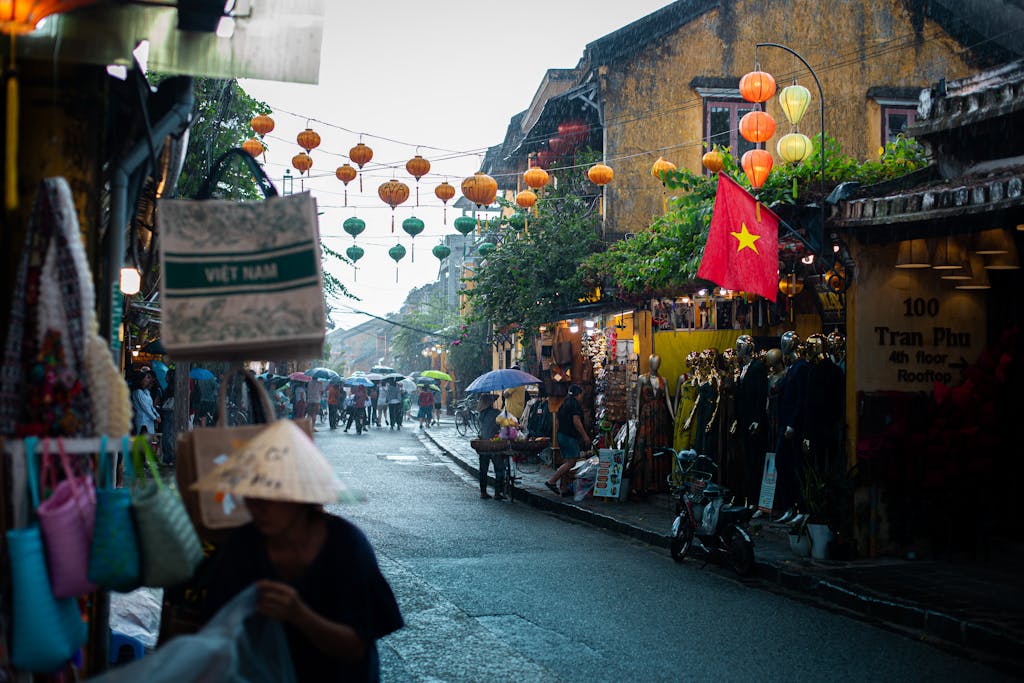
Days 20–23: Hoi An and Da Nang
Hoi An tends to divide opinion. Some travelers love it for its atmosphere and food, while others find it overly polished. The reality sits somewhere in the middle.
It’s still worth including in a Vietnam in a month itinerary, but with realistic expectations. Enjoy the old town, try local dishes, and consider a day trip to nearby beaches or Da Nang.
This is also where tailoring clothes is often mentioned. It can be worthwhile, but rushing the process usually leads to disappointing results. If you’re considering it, allow at least two to three days.
Days 24–26: Ho Chi Minh City
By the time you reach Ho Chi Minh City, the contrast with Hanoi becomes clear. The city is more modern, faster, and easier to navigate in many ways.
Spend time exploring historical sites, cafes, and neighborhoods, but don’t overpack your schedule. Many travelers try to fit too much into this section, forgetting they’ve already covered a significant part of the country.
A common myth is that Ho Chi Minh City is less interesting than Hanoi. In reality, it offers a different perspective on Vietnam, one that becomes more meaningful after traveling the full route.

Days 27–30: Mekong Delta or Flexible Time
The final stretch of your Vietnam backpacking route should remain flexible. Some travelers head to the Mekong Delta, while others use these days to revisit places they enjoyed or simply slow down before leaving.
This flexibility is what makes a 30-day itinerary so effective. Instead of finishing exhausted, you have space to adjust based on how the trip actually unfolds.
Budgeting for a Month in Vietnam
One of the most practical parts of planning a Vietnam 30 day itinerary is understanding costs. Vietnam is affordable, but expenses can vary depending on travel style.
A realistic daily budget for backpackers sits around $25–40 per day, or $40–70 if you prefer a bit more comfort. Larger expenses like the Ha Giang Loop or Halong Bay cruise, sit outside your daily average.
For example, a 3-day Ha Giang experience might cost $150–250, while a Halong Bay cruise can range from $120–300 depending on quality. These are the moments where your budget shifts, but they’re also where much of the experience comes from.
Getting Around Vietnam Efficiently
Transport becomes a key part of your backpacking Vietnam itinerary once you start covering longer distances. Trains, buses, and occasional flights all play a role.
Sleeper buses are the cheapest option, but they’re not always the most comfortable. Trains offer a more stable experience, especially for overnight journeys. Flights can save time, but using them too often breaks the flow of the route.
The difference is subtle but important: choosing slightly better transport at the right moments can make the entire trip feel easier, even if it costs a bit more.
Final Thoughts on Traveling Vietnam in a Month
A well-planned Vietnam 30 day itinerary isn’t about fitting in as many destinations as possible. It’s about creating a route that feels manageable from start to finish.
If there’s one takeaway, it’s this: Vietnam rewards steady travel. Moving too quickly often leads to fatigue, while a balanced pace makes the country feel far more accessible. If this is your first long trip, it’s also worth reading through tips for your first backpacking trip to avoid common mistakes early on. And for accommodation across the route, checking availability ahead of time on agoda.com can help you avoid last-minute compromises, especially in busier stops.
Frequently Asked Questions
Yes, 30 days is enough to travel from north to south Vietnam without rushing through every destination. A month gives you enough time to combine major cities, mountain regions, coastal stops, and a few slower travel days without constantly feeling in transit.
Most travelers follow a north-to-south route, starting in Hanoi and finishing in Ho Chi Minh City. The route tends to feel more balanced this way, with the slower pace of northern Vietnam easing you into the trip before reaching the faster-moving south.
A realistic backpacking budget for Vietnam ranges from around $25–70 per day depending on your travel style. Budget travelers using hostels and buses can stay on the lower end, while private rooms, tours, and domestic flights increase overall costs.
Trains and sleeper buses are the most common ways to travel between cities in Vietnam. Trains are usually more comfortable for long distances, while buses are often cheaper and more flexible for remote areas.
A balanced route usually starts in Hanoi, continues through northern destinations like Ha Giang or Sapa, then moves south through Ninh Binh, Phong Nha, Hoi An, and Ho Chi Minh City before finishing in the Mekong Delta or nearby areas.