Muay Thai Camp Thailand Budget Guide: Real Monthly Costs Explained
Training Muay Thai in Thailand has a certain mystique around it. People imagine waking up in the heat, spending two hours on the pads with Thai trainers, eating fresh meals for a few dollars, and somehow doing all of it for less than they spend on rent back home.
There is truth to that picture, but the real numbers are a little more nuanced.
Thailand is still one of the most affordable places in the world to train seriously, whether you’re a complete beginner or someone preparing for fights. At the same time, your monthly budget can vary far more than most people expect. Two travelers can train at equally good gyms and end up spending very different amounts depending on where they stay, how often they eat out, and whether they treat their time in Thailand like a focused training camp or an extended holiday.
After spending time training at Emerald Gym in Krabi, I came away with a simple conclusion: the gym fees are usually the easy part. Accommodation, food, transport, and the small daily expenses around training are what determine whether your month costs $900 or $2,500.
This Muay Thai camp Thailand budget guide breaks down the real costs so you can plan with realistic expectations and avoid overspending.

How Much Does a Muay Thai Camp in Thailand Cost?
For most travelers, a realistic monthly budget for training Muay Thai in Thailand falls between $900 and $2,000 per month.
That range includes:
- Group training six days per week
- Accommodation
- Daily meals
- Local transport
- Basic extras such as laundry and occasional massages
If you’re highly disciplined and willing to live simply, you can keep your costs under $1,000 per month. If you choose a more tourist-oriented destination, eat at Western restaurants, and book private sessions regularly, your expenses can rise well beyond $2,000.
This is where many people misjudge the cost of training in Thailand. They focus on the advertised gym price and assume everything else will be negligible. In practice, the gym membership often accounts for only one-third to one-half of your total monthly budget.

Muay Thai Training Thailand Prices
Training prices vary depending on the gym’s reputation, location, and facilities, but most camps offer similar pricing structures.
A single drop-in session usually costs between 300 and 600 THB. Weekly packages often range from 2,500 to 4,500 THB, while monthly memberships generally fall between 8,000 and 15,000 THB.
Well-known gyms in Phuket and Bangkok tend to sit at the higher end of the range. Smaller gyms in less touristy areas often offer better value without sacrificing coaching quality.
This is one of the biggest myths about training in Thailand: paying more does not automatically mean better training. Some of the most respected gyms are relatively simple facilities with excellent trainers and a serious atmosphere.
Thailand Muay Thai Camp Monthly Cost Breakdown
Here is what a realistic monthly budget looks like for someone training twice per day, six days per week.
| Expense | Budget | Mid-Range |
|---|---|---|
| Training | $230–$420 | $420–$600 |
| Accommodation | $250–$450 | $450–$900 |
| Food | $180–$350 | $350–$700 |
| Scooter rental or transport | $70–$120 | $120–$200 |
| Laundry and miscellaneous | $40–$80 | $80–$150 |
| Recovery (massages, supplements) | $50–$120 | $120–$300 |
| Total | $820–$1,540 | $1,540–$2,850 |
Most travelers land somewhere in the middle. If you stay in a private room, eat mostly Thai food, and add one or two massages per week, a budget of around $1,200 to $1,600 per month is realistic and comfortable.

Budget Muay Thai Camps in Thailand
Thailand offers excellent training value, but some destinations are noticeably cheaper than others.
Chiang Mai, Hua Hin, and parts of Krabi generally offer lower accommodation and food costs than Phuket or central Bangkok. That does not mean they are less serious. In fact, many experienced travelers prefer smaller destinations because they can focus more on training and spend less on distractions.
Phuket remains popular because of the large number of gyms and strong social scene, but it is rarely the cheapest option. If your priority is maximizing training while keeping costs under control, a quieter destination often makes more sense.
My Experience at Emerald Gym
I trained at “Emerald Gym” in Krabi and found it to be a good example of what many travelers are actually looking for.
The training was serious but welcoming, and the atmosphere felt focused rather than overly commercial. That balance matters, especially if you are staying for several weeks. A gym does not need luxury facilities to be effective. Consistent coaching, good pad work, and a supportive environment are far more important.
Mentioning one gym by name can sometimes make a budget guide feel overly specific, but the broader lesson applies anywhere in Thailand. Choosing the right gym is less about finding the most famous name and more about finding a place where you will train consistently.

Accommodation Costs Near Muay Thai Camps
Accommodation is usually your second-largest expense after training.
Basic rooms near Muay Thai gyms can start around 8,000 to 12,000 THB per month. Comfortable studios with air conditioning and a private bathroom often cost 12,000 to 25,000 THB per month, depending on location.
Many gyms can help arrange accommodation, but booking independently sometimes provides better value. The trade-off is convenience. If you’re arriving in Thailand for the first time, paying slightly more for a gym-arranged room can be worth the reduced stress.

Food Costs While Training Muay Thai in Thailand
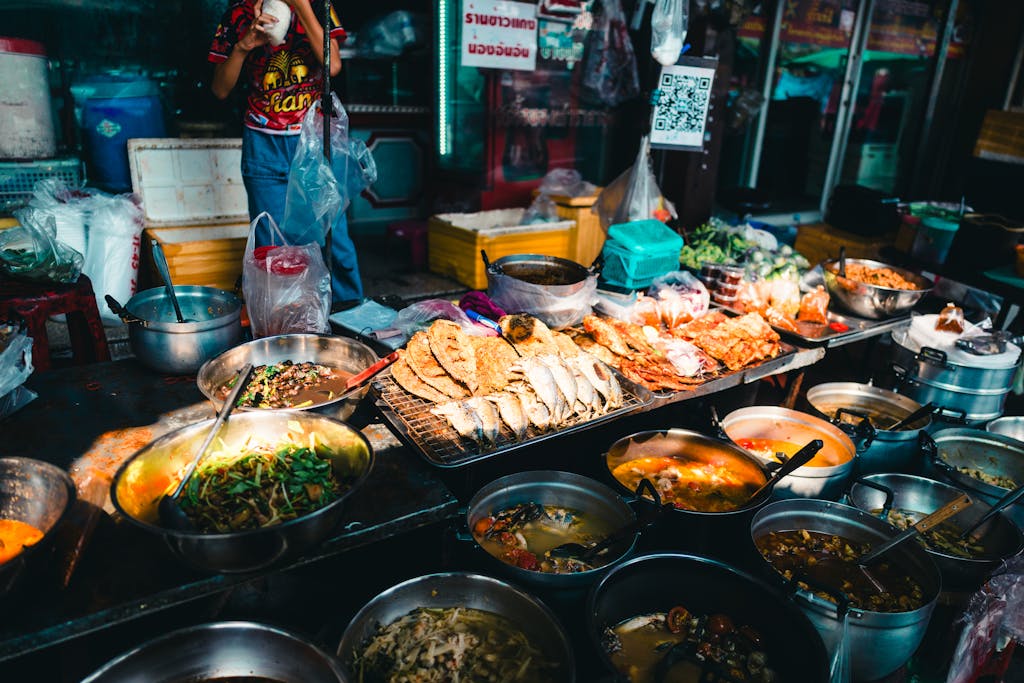
One of the advantages of training in Thailand is that eating well does not have to be expensive.
Simple Thai meals often cost 60 to 120 THB. A daily budget of 200 to 400 THB is realistic if you eat mostly local food. If you prefer smoothie bowls, imported coffee, and Western restaurants, your food costs can easily double.
This is where many travelers overspend without realizing it. Training twice per day increases your appetite, and frequent cafe visits add up surprisingly quickly.
A fighter-focused diet in Thailand can still be very affordable. Rice, chicken, eggs, fruit, and fresh juices are widely available and inexpensive.
Transportation and Daily Expenses
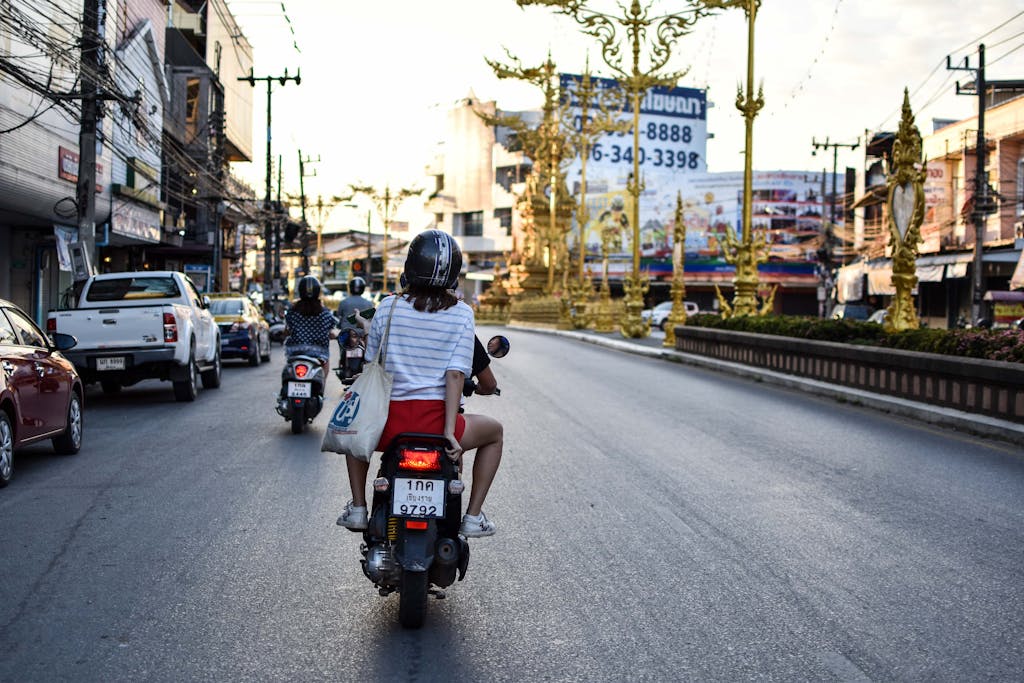
In many parts of Thailand, renting a scooter is the easiest way to get to the gym, markets, and beaches.
Monthly rentals typically cost 2,500 to 4,500 THB, plus fuel. If you’re not comfortable driving a scooter, staying within walking distance of your gym is often the better option.
Other routine expenses include:
- Laundry
- Drinking water
- Protein supplements
- Electrolytes
- Sunscreen
- Occasional gear replacement
None of these costs are dramatic individually, but together they can add another $100 or more to your monthly budget.
Recovery Costs: Massages and Extras
Recovery becomes increasingly important once you start training consistently.
Thai massages typically cost 250 to 500 THB per session and are one of the most worthwhile expenses during a training camp. A weekly massage can make a noticeable difference in how your body feels, especially if you are new to two-a-day sessions.
This is a subtle but important point: saving money is useful, but underestimating recovery costs can make the entire experience less enjoyable.

Living and Training in Thailand Budget Scenarios
Bare-Bones Budget: Around $1,000 Per Month
You share a simple room, eat mostly local meals, avoid frequent nights out, and focus almost entirely on training.
Comfortable Budget: Around $1,400 to $1,800 Per Month
You have a private room, occasional massages, scooter rental, and enough flexibility to enjoy your surroundings without worrying about every expense.
Flexible Budget: $2,000+ Per Month
You choose a higher-end apartment, book private sessions, and eat wherever you want.
For most travelers, the comfortable middle range offers the best balance between affordability and sustainability.
Is Thailand Still the Cheapest Place to Train Muay Thai?
In many ways, yes.
Countries like Indonesia, Mexico, and parts of Eastern Europe offer affordable training options, but Thailand still combines high-level coaching, deep Muay Thai culture, and relatively low living costs better than almost anywhere else.
The key difference is that Thailand offers both authenticity and convenience. You can train with experienced Thai coaches in the sport’s home country without needing an elite athlete’s budget.
How Long Should You Stay?
A week is enough to get a taste of the experience, but it often feels rushed.
Two to four weeks is a more practical timeframe. It gives your body time to adapt, allows you to settle into a routine, and provides a more accurate sense of what daily life at a Muay Thai camp in Thailand actually feels like.
If you are traveling a long distance, staying at least two weeks usually offers much better value.
Final Thoughts
Training Muay Thai in Thailand can be one of the most rewarding experiences you have as a traveler.
It is physically demanding, but it also simplifies daily life in a refreshing way. Your schedule revolves around training, eating, recovering, and resting. Expenses become easier to manage because your priorities are clear.
Many people assume a Muay Thai camp in Thailand requires either a shoestring backpacker mindset or a luxury budget. The reality sits comfortably in the middle. With around $1,200 to $1,600 per month, you can train seriously, live comfortably, and enjoy the experience without constant financial stress.
And if you choose your gym well, whether it’s Emerald Gym or another camp that matches your goals, the value you get goes far beyond the money you spend.
Frequently Asked Questions
Most travelers spend between $900 and $2,000 per month, including training, accommodation, food, transportation, and recovery expenses.
A complete budget should include gym fees, accommodation, meals, scooter rental or local transport, laundry, and optional recovery costs such as Thai massages.
Yes. Thailand remains one of the most affordable places in the world to train Muay Thai seriously, especially compared with training costs in many Western countries.
Two to four weeks is ideal for most travelers because it gives your body time to adapt to the training and settle into a consistent routine.
A comfortable monthly budget is around $1,200 to $1,600, which usually covers training, a private room, local meals, transport, and occasional recovery treatments.