Portugal Solo Travel 2026 Budget: What It Really Costs to Travel Smart
Planning a solo trip to Portugal sounds straightforward until you start looking at prices. One guide says it’s one of the cheapest countries in Western Europe, while another quietly lists daily budgets that rival parts of Italy or France. So which is it? If you’re trying to plan a realistic Portugal solo travel 2026 budget, the truth sits somewhere in between, and understanding that difference is what keeps your trip affordable without feeling restrictive.
Portugal can absolutely be done on a budget, but not by accident. Costs have risen steadily in recent years, especially in Lisbon and Porto, and solo travelers don’t get the advantage of splitting accommodation or transport. That doesn’t mean it’s expensive, it just means your decisions matter more. Once you understand where the money actually goes, traveling Portugal on a budget becomes much more predictable.

What a Realistic Portugal Solo Travel Cost Looks Like in 2026
The biggest mistake first-time visitors make is underestimating daily costs based on outdated advice. Portugal used to be a clear budget destination, but in 2026, it’s better described as good value if you plan carefully.
A realistic daily budget for solo travel in Portugal now falls into three ranges:
- Budget: €45–€70 per day
- Mid-range: €70–€120 per day
- Comfortable: €120–€180+ per day
That lower range is still achievable, but it requires consistency: hostels instead of private rooms, local food over tourist restaurants, and thoughtful transport choices. Where many solo travelers overspend isn’t on big-ticket items, but on small, repeated decisions: coffee in central squares, last-minute train bookings, or choosing convenience over planning.
A typical budget day might look like this:
- Hostel bed: €18–€35
- Meals: €12–€25
- Transport: €5–€15
- Activities: €5–€20
That puts you around €50–€80 per day without feeling overly restricted. It’s not ultra-cheap, but it’s still manageable compared to much of Western Europe.

Is Portugal Expensive for Solo Travelers?
It depends on where you are and how you move through the country. Lisbon and Porto have seen the biggest price increases, largely due to tourism demand, while smaller cities and inland regions remain noticeably cheaper.
This is where expectations often need resetting. Many travelers assume Portugal is uniformly affordable, but staying in Lisbon’s city center during peak season can easily double your accommodation costs compared to somewhere like Coimbra or Braga. The difference isn’t subtle, and it’s often the reason budgets stretch unexpectedly.
At the same time, Portugal still offers value in ways that aren’t always obvious. Public transport is reliable and relatively cheap, meals can be very affordable if you avoid tourist-heavy areas, and many of the country’s best experiences: coastal walks, viewpoints, historic streets, cost nothing at all.
Accommodation Costs: Where Solo Travelers Feel It Most
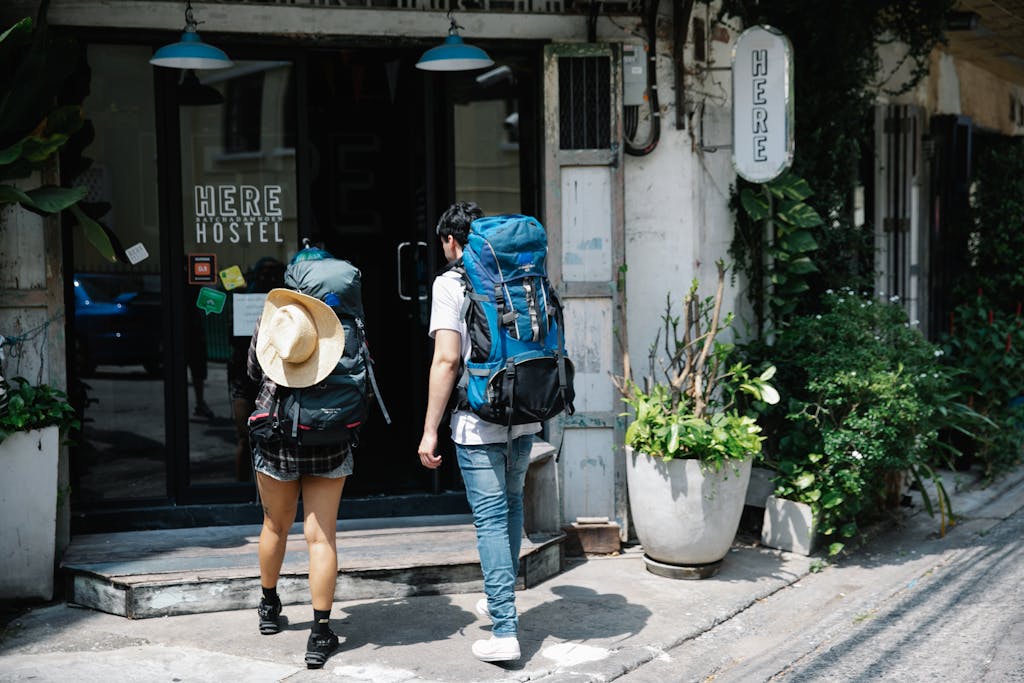
Accommodation is usually your biggest expense, especially when traveling alone. Without someone to split a room with, even modest hotels can push your daily budget higher than expected.
Hostels are the most consistent way to control costs:
- Lisbon: €22–€40 per night
- Porto: €20–€35 per night
- Smaller cities: €15–€25 per night
Private rooms or budget hotels typically start around €50–€90, depending on location and season. Prices climb quickly in summer, particularly along the Algarve coast.
One experienced-traveler observation: booking slightly outside the historic center often reduces prices significantly without making your stay inconvenient. In cities like Lisbon, staying just a few metro stops away can cut accommodation costs by 20–30%, while still keeping everything accessible.
Food Costs in Portugal: Easier to Control Than You Think
Food is one of the areas where Portugal still feels refreshingly affordable. You can spend very little here without sacrificing quality, which isn’t always the case in Europe.
A simple café breakfast: coffee and a pastry, often costs under €3. A casual lunch at a local restaurant might range from €8–€12, especially if you find places offering a “menu do dia.” Dinner varies more, but €10–€18 is typical outside tourist hotspots.
This is where many travelers quietly save money without trying too hard. Eating where locals eat, avoiding central squares, and keeping dinners simple can keep your daily food spend under €20. The difference is subtle but important: Portugal rewards small, consistent choices rather than strict budgeting.

Getting Around Portugal on a Budget
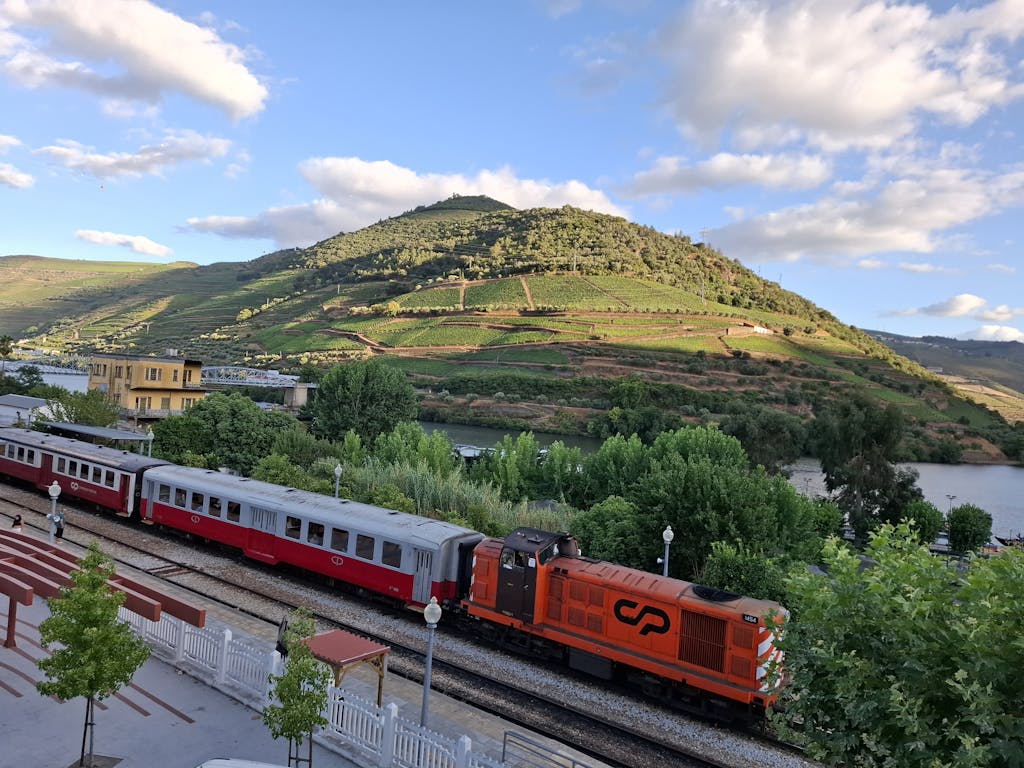
Transport is one of the easier parts of budgeting for a Portugal backpacking itinerary. Trains and buses connect most major destinations efficiently, and prices remain relatively reasonable if you book ahead.
A few typical costs:
- Lisbon to Porto train: €15–€30 (booked early)
- Regional trains: €5–€15
- City transport: €1.50–€2 per ride
If you’re planning a Portugal backpacking itinerary, the train network is usually the simplest option. Buses can be cheaper, but the time difference is often minimal, and trains tend to be more comfortable.
One small scenario that often plays out: booking a last-minute train ticket the night before travel instead of a few days ahead can double the price. It’s an easy mistake to make and one of the most common ways budgets quietly drift upward.
A Practical Portugal Backpacking Itinerary (Budget-Friendly)
A well-paced itinerary makes a bigger difference than most people expect. Trying to see too much too quickly increases transport costs and reduces your ability to find cheaper accommodation.
A balanced 8–10 day route might look like:
- Lisbon (3 days)
- Porto (2–3 days)
- Coimbra or Braga (1–2 days)
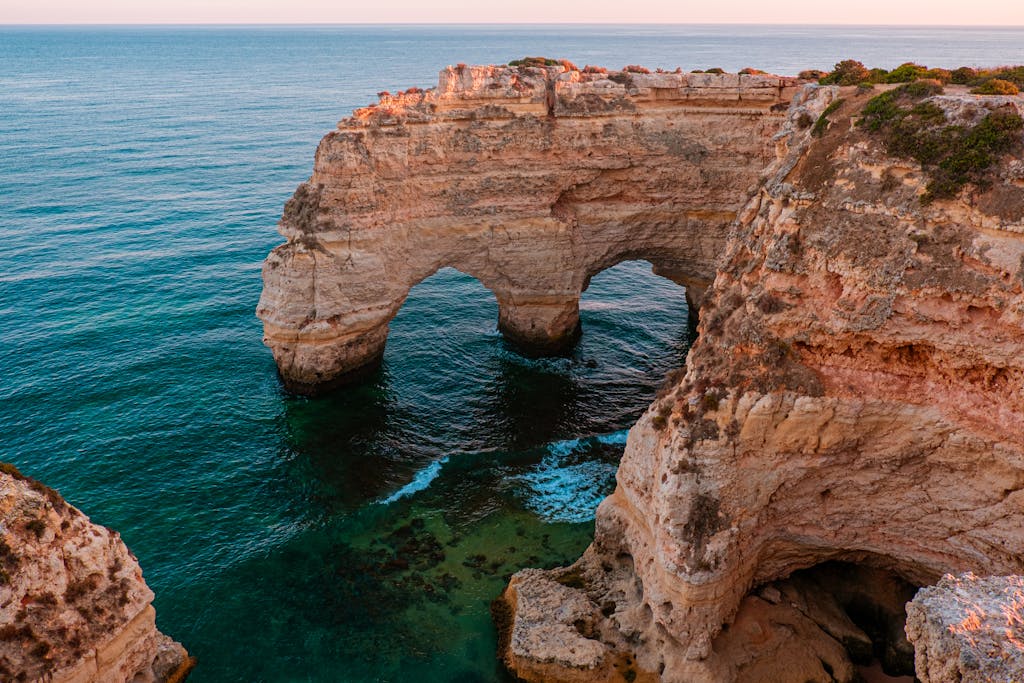
- Algarve (2–3 days)
This structure keeps travel distances reasonable and allows for a mix of higher-cost cities and more affordable stops. It also reflects a more realistic travel rhythm, rather than trying to pack everything into a tight schedule.
Common Budget Mistakes (And How to Avoid Them)
One of the biggest myths is that budgeting means cutting out experiences. In Portugal, that’s rarely necessary. Overspending usually comes from inefficiency, not indulgence.
The most common issues tend to be:
- Staying only in major cities
- Booking accommodation too late
- Eating exclusively in tourist-heavy areas
- Underestimating peak season pricing
A subtle but important shift is to think in terms of balance, not restriction. Spending slightly more on accommodation in one city might be offset by cheaper stays elsewhere. Traveling Portugal on a budget is less about minimizing every cost and more about distributing your budget intelligently.
Final Thoughts: Budget Travel in Portugal Is Still Worth It
Portugal hasn’t remained as cheap as it once was, but it hasn’t lost its value either. The difference now is that budgeting requires a bit more awareness, especially for solo travelers who carry all costs themselves.
If you approach it with realistic expectations, a flexible itinerary, and a willingness to make small, consistent decisions, your Portugal solo travel cost stays well within reach. And more importantly, it doesn’t feel like you’re constantly managing money.
That’s really the goal. Not the lowest possible budget, but a trip where cost doesn’t quietly control your experience.
Frequently Asked Questions
Solo travelers in Portugal should budget around €45–€70 per day for a backpacker-style trip, €70–€120 per day for a more comfortable budget, and €120+ per day for private rooms, paid attractions, and more flexibility.
Portugal is not the cheapest destination in Europe anymore, especially in Lisbon, Porto, and the Algarve. However, it still offers good value if you stay in hostels, use public transport, eat locally, and avoid peak-season prices.
The cheapest way to travel around Portugal is usually by train or bus, especially when tickets are booked in advance. Buses can sometimes be cheaper, while trains are often more comfortable for routes like Lisbon to Porto.
Yes, Portugal is a strong destination for solo backpacking because it is relatively safe, easy to navigate, well connected by public transport, and has a good hostel network in major cities.
For a balanced Portugal backpacking itinerary, 8–10 days is enough to visit Lisbon, Porto, one smaller city such as Coimbra or Braga, and part of the Algarve without rushing too much.