Japan Travel Costs 2026: Real Daily Budget
Planning a trip to Japan usually begins with one question: how expensive is it really? Japan still carries a reputation for being costly, but that view is often outdated. While it can be expensive if you travel quickly, book late, and stay only in prime city centers, it can also be surprisingly manageable with a thoughtful plan.
The bigger issue is not whether Japan is affordable. It is understanding where travelers quietly overspend. Many people focus on meal prices, then lose far more money through last-minute hotels, unnecessary rail passes, or moving cities too often. This is where budgeting becomes practical.
To make things simple, this guide uses USD first with yen included for local context. If you are researching Japan travel costs in 2026, or trying to build a realistic Japan solo travel budget, these are the numbers that matter.
Is Japan Expensive in 2026?
Japan is not a bargain destination in the same way Vietnam or Thailand can be, but it often offers stronger value than expected. Cities are clean, transport is reliable, food quality is consistently high, and many everyday costs feel fair for what you receive.
A common myth is that Japan only works for luxury travelers. In reality, Japan is one of the easier countries to budget because essentials are predictable. Budget hotels are usually clean and efficient. Cheap meals are often genuinely good. Public transport reduces the need for taxis or car rentals.
What changes costs most in 2026 is timing. Cherry blossom season, Golden Week, autumn foliage months, and New Year holidays can raise hotel prices sharply. The same room in Tokyo may cost far less in February than in early April.
Real Japan Daily Budget in 2026
For most travelers, spending falls into three realistic ranges.
Budget Traveler: $60–$95/day (¥9,000–¥14,000)
This works for hostels, capsule hotels, convenience-store breakfasts, casual lunches, local trains, and a few paid attractions. You do not need to suffer to travel on this budget, but you do need some structure.
A realistic daily breakdown may look like:
- Hostel or capsule: $28–$48 (¥4,000–¥7,000)
- Food: $17–$28 (¥2,500–¥4,000)
- Local transport: $6–$10 (¥800–¥1,500)
- Attractions/miscellaneous: $7–$14 (¥1,000–¥2,000)
This is where many travelers land when planning a practical solo travel Japan budget.
Mid-Range Traveler: $110–$190/day (¥16,000–¥28,000)
This is the comfort zone for many visitors. Expect private hotel rooms, flexible dining choices, occasional taxis, and attractions without constant price-checking. If you want convenience without overspending, this is often the smartest level.
Higher-End Traveler: $210+/day (¥30,000+)
This covers upscale hotels, premium dining, private transfers, and more spontaneous travel decisions. Japan rewards comfort spending well, but it is rarely necessary for a great trip.
Accommodation Costs in Japan
Hotels are usually the largest fixed expense. Tokyo, Kyoto, and Osaka can be reasonable when booked early, then suddenly expensive if you wait too long.
Average nightly ranges in 2026 may look like:
- Hostel dorm: $24–$48 (¥3,500–¥7,000)
- Capsule hotel: $28–$55 (¥4,000–¥8,000)
- Budget private room: $48–$95 (¥7,000–¥14,000)
- Mid-range hotel: $95–$170 (¥14,000–¥25,000)
- Ryokan stay: $125+ per person (¥18,000+)
An expectation reset worth remembering: not every night needs to be a ryokan night. Many travelers book several traditional stays, then realize one memorable experience would have been enough.
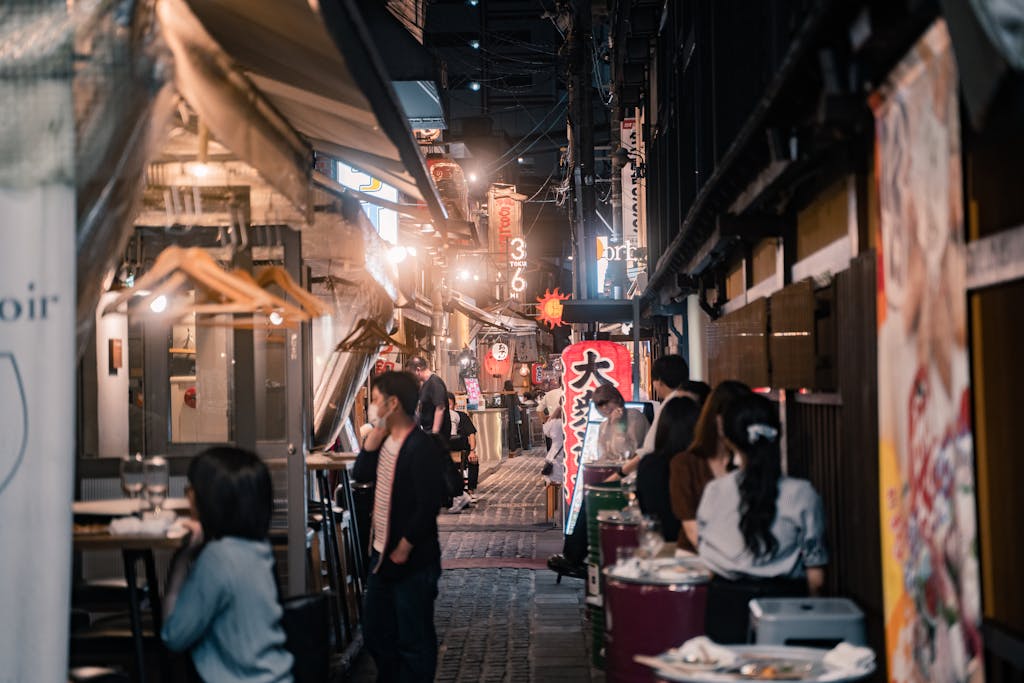
Food Costs: Better Value Than Expected
Japan is one of the few countries where eating cheaply does not need to feel like settling for less. That matters more than people realize.
Typical meal prices:
- Convenience-store breakfast: $3–$6 (¥400–¥800)
- Ramen, curry, rice bowls: $6–$10 (¥800–¥1,400)
- Casual restaurant dinner: $10–$20 (¥1,500–¥3,000)
- Premium or specialty meal: $35+ (¥5,000+)
An experienced traveler observation: convenience stores are excellent, but relying on them three times a day becomes less appealing than expected. Use them for breakfast, snacks, or train days rather than your entire food strategy.
Transport Costs: Where Many Budgets Drift
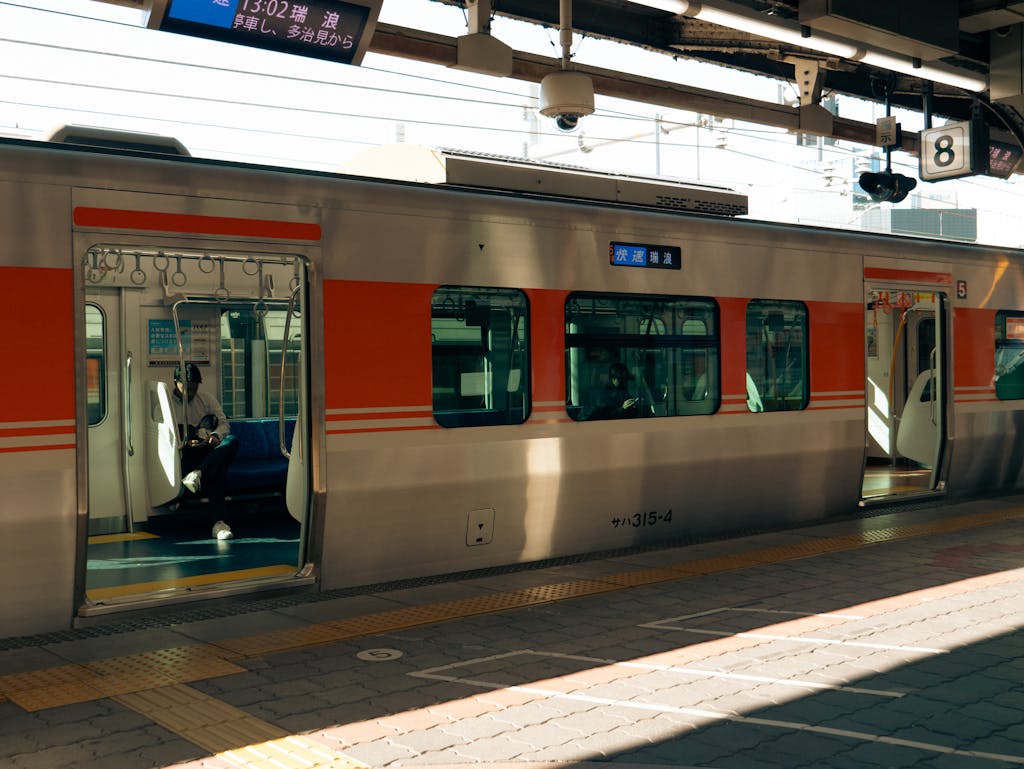
Japan’s transport system is outstanding, but convenience has a price. Daily metro rides inside cities are manageable. The real expense is long-distance travel.
For example, one fast train between Tokyo and Kyoto can cost as much as a full day of budget travel. This is why many visitors underestimate transport costs while focusing too much on food.
Imagine two travelers with the same budget. One rushes through Tokyo, Kyoto, Osaka, Hiroshima, and back in eight days. The other spends four nights in Tokyo and four in Kansai with day trips. Usually the second traveler spends less and sees more.
That difference is subtle but important.
Japan Solo Travel Budget: What Changes?
Solo travelers lose the advantage of splitting hotel rooms, so accommodation matters more. This is why hostels, capsule hotels, and compact business hotels are especially useful when planning a Japan solo travel budget.
The upside is flexibility. Solo travelers can eat cheaply, take last-minute local trains, grab single restaurant seats, and move efficiently. Japan is one of the easiest countries in the world for solo travel because doing things alone feels normal rather than awkward.
A realistic 10-day solo budget may look like:
- Budget style: $730–$1,000 (¥110,000–¥150,000)
- Mid-range style: $1,200–$1,750 (¥180,000–¥260,000)
- Comfortable higher-end: $2,000+ (¥300,000+)
Flights are separate and depend heavily on departure city and season.
Hidden Costs to Watch in 2026
Not every expensive mistake feels dramatic. Often it comes from repeated small choices.
- Booking hotels too late in popular cities
- Too many intercity train journeys
- Daily café stops and convenience-store extras
- Locker and luggage-forwarding fees
- Buying rail passes you do not fully use
One subtle opinion: many travelers spend hours trying to optimize transport passes, when simpler point-to-point tickets would save both money and stress.
How to Keep Japan Affordable Without Feeling Restricted
Choose fewer cities and stay longer in each. Book hotels early. Mix low-cost breakfasts with better lunches. Pick one or two memorable dinners instead of trying to make every meal special. Walk when neighborhoods are compact enough to enjoy on foot.
Many travelers assume saving money means sacrificing experiences. In Japan, it often means removing inefficient ones.
Final Thoughts on Japan Travel Costs in 2026
Japan rewards thoughtful budgeting more than extreme frugality. You do not need to count every dollar to make the trip work. You need to avoid the expensive habits that seem harmless at first.
For most visitors, Japan travel costs in 2026 are very manageable with a mid-range mindset: early hotel bookings, sensible transport planning, and food spending that balances convenience with enjoyment. If you do that, Japan often feels better value than destinations that appear cheaper on paper.
If you want one easy win, book accommodation earlier than you think necessary. That single decision often saves more than a week of cheap breakfasts.
Frequently Asked Questions
Budget travelers can expect to spend around $60–$95 per day, while mid-range travelers may spend $110–$190 per day. Higher-end travelers should budget $210+ per day, depending on hotels, dining, and transport choices.
Japan can be manageable for solo travelers, but accommodation is usually the biggest challenge because hotel costs are not shared. Hostels, capsule hotels, and compact business hotels help keep a Japan solo travel budget under control.
Accommodation and long-distance transport are usually the biggest expenses. Hotels rise quickly during peak seasons, and Shinkansen journeys can add up if you move between too many cities.
Yes. You can travel Japan on a budget by booking accommodation early, eating casual meals, limiting long-distance train travel, and choosing fewer city bases instead of rushing across the country.