Solo Travel on a Budget: The $35–$50/Day Playbook
There’s a reason many people delay booking their first solo trip. It usually isn’t fear of being alone, it’s fear of the numbers. Solo travel on a budget sounds simple until you start adding accommodation, meals, transport, and activities. Suddenly, the total feels uncertain, and uncertainty often stops people before they begin.
The reality is more encouraging than most assume. Traveling on $35–$50 a day is not survival-mode backpacking, and it doesn’t require sacrificing comfort every day. In the right destinations, it can support a steady, enjoyable pace that feels sustainable rather than restrictive. The key is understanding where money disappears and making a few repeatable decisions that keep your average under control.
If this is your first time traveling alone, confidence matters as much as budgeting. Reviewing practical solo travel safety tips before focusing only on costs can remove unnecessary stress. Once safety feels manageable, money decisions usually become much clearer.
What $35–$50 a Day Actually Looks Like
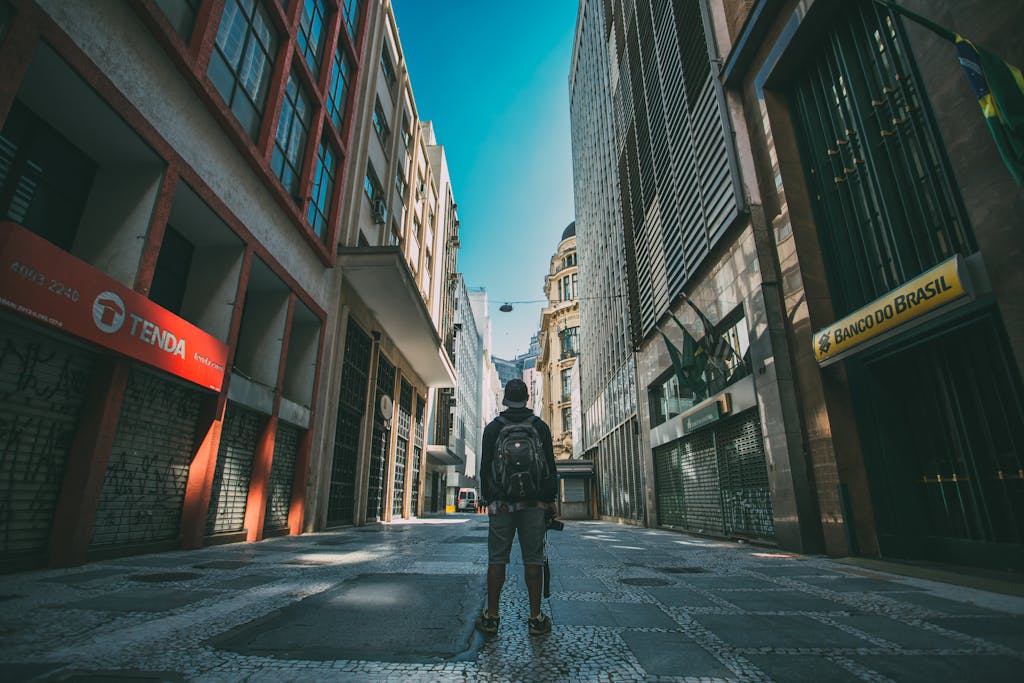
Many people hear “$50 a day travel budget” and picture crowded dorms, skipped meals, and constant compromise. That assumption is outdated. In many parts of Southeast Asia, Central America, Eastern Europe, and selected areas of South America, this budget can provide a comfortable rhythm.
A realistic daily range often looks like this:
- Accommodation: $12–$20 for a hostel dorm or simple private guesthouse
- Food: $10–$15 for local meals, street food, and occasional café stops
- Transport: $3–$8 using public transit or shared rides
- Activities: $5–$10 averaged across museum entries, walking tours, or attractions
The exact number matters less than the pattern. One expensive day rarely causes problems. Repeated convenience spending does. Experienced travelers understand that sustainability comes from averages, not perfection.
Affordability is not about spending as little as possible. It is about creating a pace you can maintain.
How Much Does It Cost to Travel Solo, Really?
When people ask how much travel costs, they usually focus on flights first. Flights matter, but they are a one-time expense. Daily habits shape the real length of your trip.
Accommodation is usually the largest controllable cost. Food is rarely what breaks a budget unless you consistently choose imported meals, tourist restaurants, or Western brunch cafés in expensive neighborhoods. A $3 local meal compared with a $15 tourist-district breakfast feels minor once. Across a week, it changes everything.
This is where many new travelers misunderstand budget travel. It is not about removing enjoyment. It is about noticing which habits quietly multiply.

Backpacking Budget vs. Sustainable Budget Travel
A backpacking budget is often mistaken for chaotic spending mixed with occasional penny-pinching. In reality, good backpacking is about simplicity, mobility, and reducing friction.
One common myth is that moving quickly helps you “see more.” Often the opposite happens. Fast travel increases bus, train, and flight costs while creating more booking pressure. Slower travel usually lowers costs and improves the experience.
Staying five nights instead of two may reduce your nightly room rate, remove an extra transit day, and give you time to explore without rushing. The difference is subtle but important. This is where budgeting becomes practical rather than restrictive.
Accommodation: The Cost That Compounds Fastest
Because accommodation is paid every night, even small price differences matter. Saving $10 per night becomes $300 over a month. That is enough to extend a trip, cover flights, or pay for memorable experiences.
Comparing platforms such as Hostelworld for social hostels and Booking.com for budget hotels often reveals surprising gaps. Longer stays can also unlock discounts through Airbnb, especially in Southeast Asia and Latin America.
Price alone should not decide everything. A central place that costs slightly more can reduce daily transport spending and save time. Walkability often matters more than beginners expect.
Flights and Your Upfront Budget
Even if your daily target is $35–$50, flight costs still shape the overall trip. Saving $200 on airfare can effectively fund several extra travel days.
Using tools like Skyscanner to search whole months instead of fixed dates often reveals cheaper options. Flexible departure days frequently matter more than chasing “secret hacks” or unrealistic mistake fares.
The smartest approach is usually simple: widen your dates, compare nearby airports, and book when the fare is reasonable rather than trying to time the absolute bottom.
How to Travel Solo for Cheap Without Feeling Deprived
Traveling cheaply does not mean constantly saying no. It means saying yes with intention.
Two decisions often determine your daily total more than anything else:
- Stay central enough to reduce transport costs
- Spend on one meaningful experience instead of several forgettable ones
Imagine a few days in Budapest. You could book multiple guided tours and rely on taxis between neighborhoods, or you could walk widely, enjoy inexpensive local meals, and pay for a long visit to the thermal baths. Same city, very different budget.
Many travelers assume cheap travel means missing out. Often it simply means choosing better.
The Expense People Forget: Insurance
Skipping travel insurance can feel like saving money, until something small becomes expensive. A missed connection, stolen bag, or clinic visit can erase weeks of careful budgeting.
Providers such as SafetyWing are popular with solo and long-term travelers because they offer flexible monthly coverage. Spread across a month, the daily cost is often modest compared with the risk of paying unexpectedly large bills.
Budgeting is not only about reducing costs. It is also about protecting the trip you already paid for.
A Realistic $40/Day Example
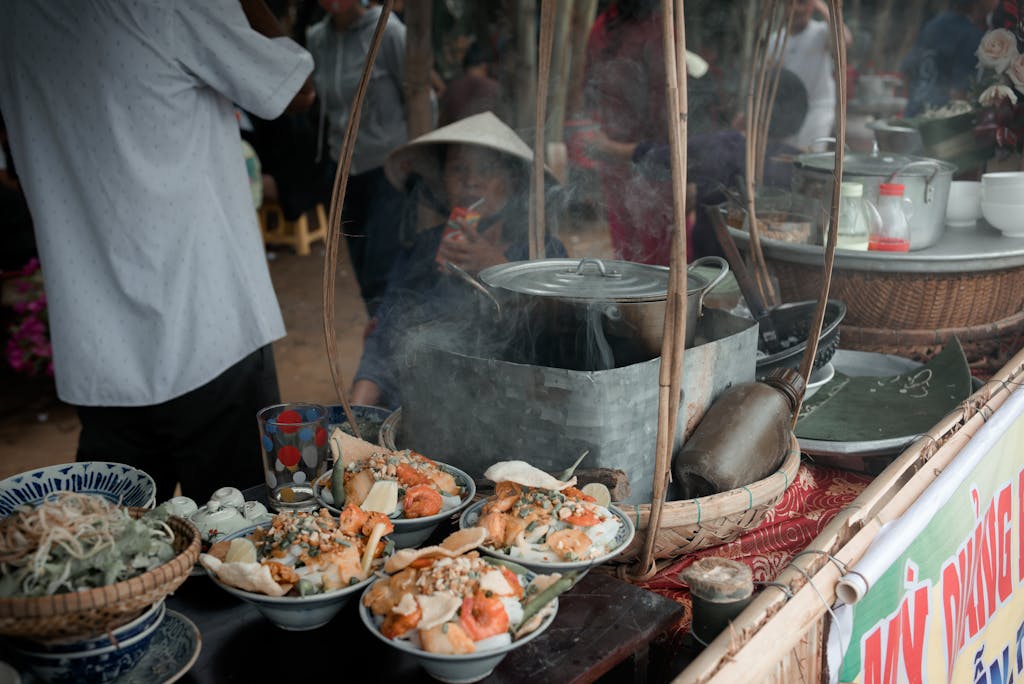
Consider a normal day in Vietnam:
- Dorm bed: $14
- Street food meals: $9
- Coffee and snacks: $4
- Local bus ride: $3
- Temple entry or activity: $6
- Miscellaneous: $3
Total: $39
Nothing extreme. No discomfort. Just consistent local choices. Many travelers go over budget not because prices are impossible, but because convenience quietly adds up through ride-hailing apps, tourist-zone restaurants, and last-minute bookings.
Tracking your weekly average is usually more useful than tracking every coffee.
The Mindset That Makes It Sustainable
The biggest misconception about solo travel on a budget is that it requires constant restriction. It does not. It requires awareness.
Once you understand your average daily spend, occasional splurges stop feeling irresponsible. A special dinner, a nicer private room, or a paid activity is easy to absorb when the rest of the week stays balanced.
Affordability is not about how little you spend. It is about how long you can keep going.
That shift matters. Once you understand it, traveling on $35–$50 a day stops feeling unrealistic and starts feeling structured, repeatable, and genuinely freeing..